
Breathing
Talk ability and breathing rhythm can offer practical clues about intensity during aerobic work.
Physiology describes how the body produces energy, senses effort, regulates temperature, and adapts to repeated demands. It gives training a useful context without turning readers into lab subjects.
After 35, individual differences become especially important. Training history, sleep, medications, work, and health status can shape response as much as age.
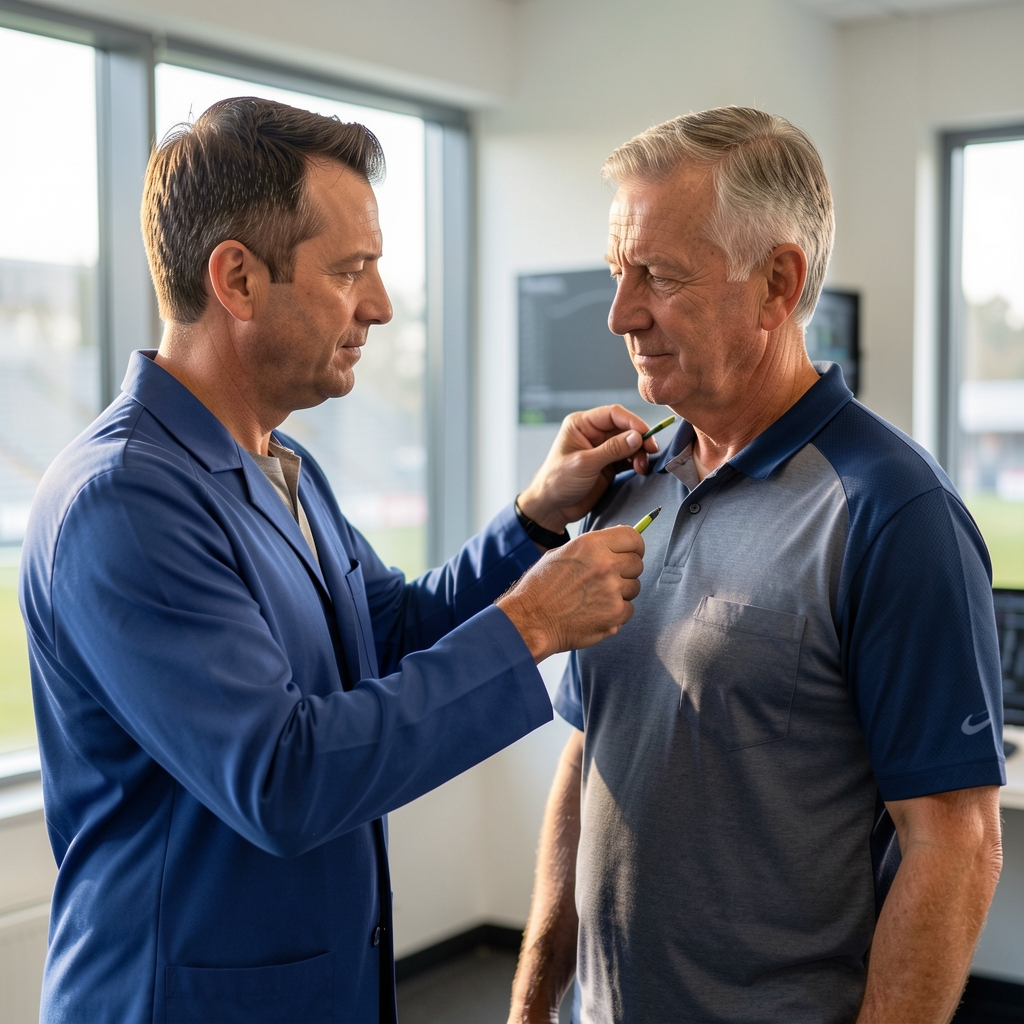
Talk ability and breathing rhythm can offer practical clues about intensity during aerobic work.

Sleep quality and ordinary energy levels help frame how much work is appropriate today.

Hydration, shade, clothing, and pacing matter in Indonesia's warm and humid conditions.
| Observation | Possible context | Useful question |
|---|---|---|
| Effort rises early | Heat, stress, low sleep, or an intense starting pace | Would a slower start change the experience? |
| Movement loses control | Fatigue, unfamiliar skill, or too much complexity | Can the dose or variation be simplified? |
| Soreness lasts longer | New volume, long gap, or inadequate recovery | What changed in the previous week? |